
What is CRO in marketing?
What we found
CRO, or conversion rate optimization, gets more of the visitors you already have to buy, sign up or call. In our tests, a simpler category menu lifted store conversion 27.3%, while a 24.1% lift in qualified calls still did not count as a win until it could hold up.
CRO in marketing stands for conversion rate optimization. Here is how I define it: “CRO is the process of optimizing a website or app experience to increase the number of desired conversions (purchases, leads, revenue) based on the current traffic and audience.”
Put simply, CRO gets more of the people already on your site to buy, sign up or call. You do not buy more traffic. You make the site work better for the visitors you have, and you prove each change with an A/B test before you keep it.
Below, we explain what counts as a conversion, how CRO works on both online stores and lead gen sites, and what 3 of our published A/B tests showed. 1 was a clear win. 2 posted big numbers that were not strong enough to call a win. All 3 show how CRO decisions really get made.
CRO in marketing turns more of your current visitors into customers
Marketing has 2 big levers. The first brings people to your site: ads, search, email and social. The second decides what share of those people take action once they land. CRO is the second lever.
The 2 levers work together. A campaign that doubles traffic to a confusing page just doubles the number of confused visitors. A page that converts better makes every campaign that points at it worth more.
A quick note on the name. Search “CRO” on its own and you will also find clinical research organizations, a medical term and a crypto coin. In marketing, CRO means conversion rate optimization and nothing else.
A conversion is 1 of 3 actions: a sale, a lead or a call
A conversion is the action you want a visitor to take. What counts depends on how your business makes money:
- Sales. An online store counts orders, and often revenue per visitor.
- Leads. A service business counts form fills, quote requests or sign-ups.
- Calls. Some businesses count phone calls, often only the qualified ones that could turn into a sale.
Your conversion rate is the share of visits that end in that action. Divide conversions by sessions and multiply by 100. A site with 20,000 sessions and 400 leads in a month converts at 2%.
Many sites also track smaller steps along the way, like an add to cart or a click into a product. These steps show where people stall. But a test is best judged on the number that pays the bills: orders, revenue per visitor or qualified leads.
A detail trips people up. When a test result says “conversion rose 10%,” it means the rate rose 10% of itself, for example from 2.0% to 2.2%. It does not mean the rate jumped from 2% to 12%. Every lift in this article is measured that way.
CRO tests most often change 5 parts of a page
CRO is not a redesign. It changes 1 part of a page at a time, so you know what moved the number. Most tests touch 1 of these 5 areas:
- Navigation. Menus, category links and search, which decide how fast visitors find what they came for.
- Headlines and copy. The words that tell visitors what they get and why it matters to them.
- Calls to action. The button or link that asks for the sale, the lead or the call: its wording, color and place on the page.
- Forms and checkout. How many fields, how many steps and what happens when something goes wrong.
- Trust and price. Reviews, guarantees, shipping details and how the price is shown.
Each of the 3 tests in this article changed just 1 of these: a menu, a headline and a call button. That is what lets us say what caused the result.
CRO follows the same 4 steps on a store and a lead gen site
Many people think CRO is only for online stores. It is not. Our published archive holds 237 tests across 9 page types. Lead forms are the largest group, at 74 tests, ahead of product pages (47), homepages (43) and collection pages (30).
Whatever the site sells, the loop is the same:
- Research. I think of it this way: analytics shows what visitors did, and usability testing shows why. You need both to find where people drop off and what stops them.
- Hypothesis. Every test we run starts with the same sentence: “By [change X], we will [affect Y], resulting in [Z].” If you cannot fill in all 3 parts, the idea is not ready to test.
- Test. Split traffic between the current page and the new version, and measure both at the same time.
- Decide. Implement the winner, or pause the test if visitors preferred the original or nothing moved. Then use what you learned to plan the next test.
Personalization fits inside this loop too. Showing different content to different visitors, based on their device, where they came from or what they did on past visits, is 1 way to make a change. Like any other change, it still needs a test to prove it helps.
The 2 tests below show the loop at work on 2 very different sites: an online store and a lead gen form.
A simpler category menu lifted desktop conversion 27.3%
The homepage is where many shoppers decide where to go next, and the category menu is how they get there. On 1 online store, we tested a simpler category menu on the desktop homepage. The idea: if shoppers can find their category faster, more of them reach a product and buy.
Evidence · Homepage · Won
Does simpler homepage category navigation lift desktop sales?
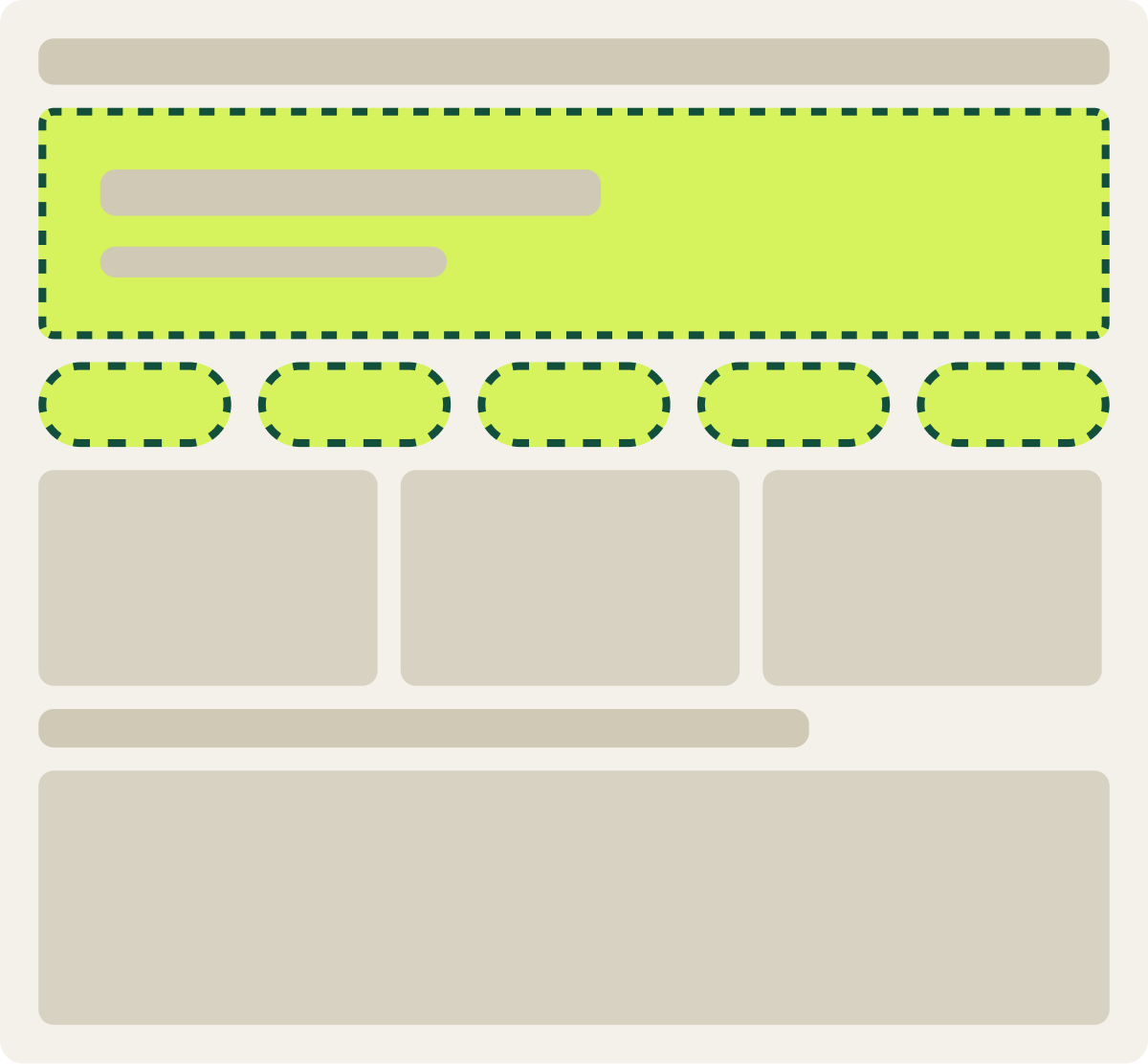
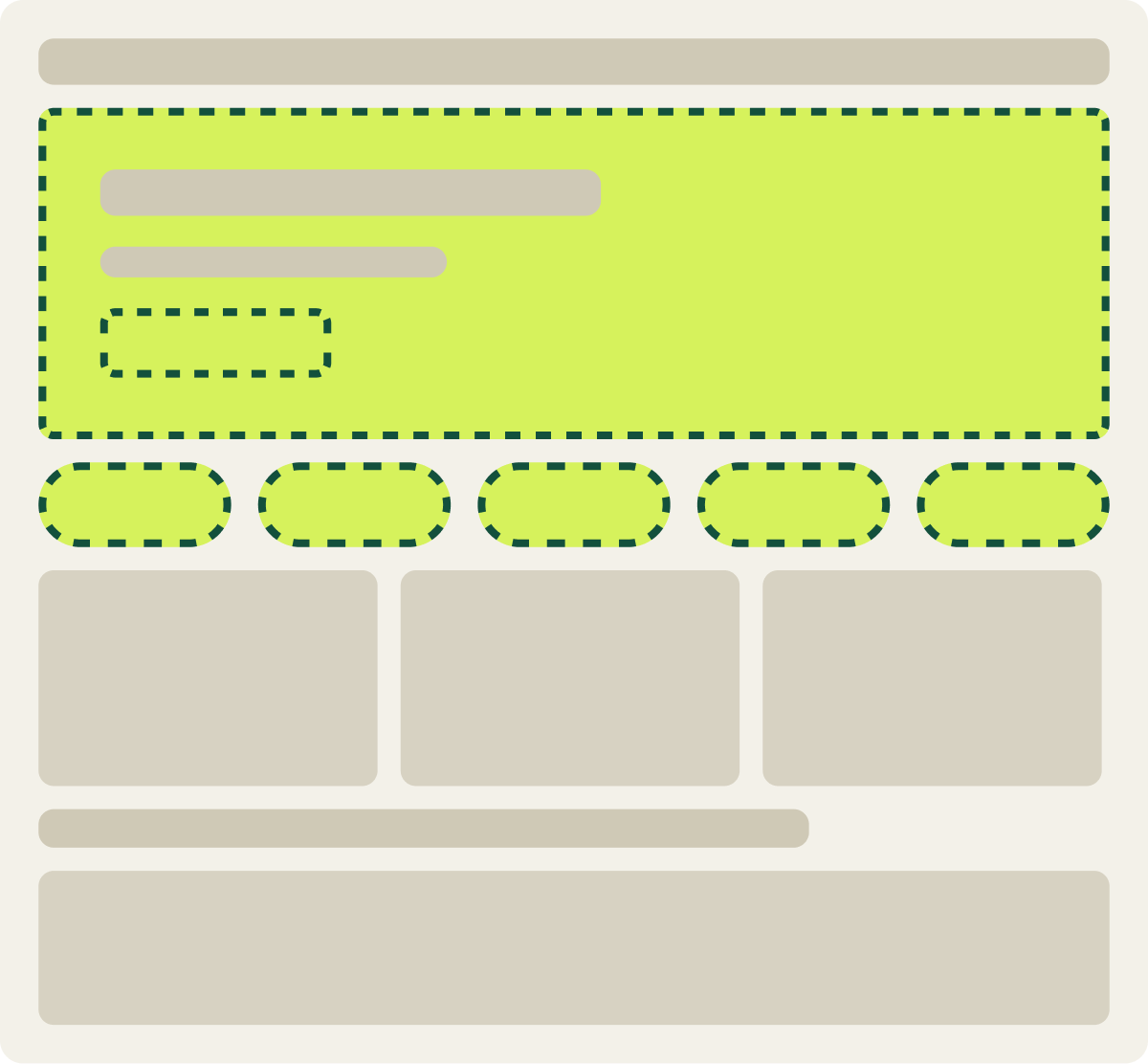
9 days · desktop · We stopped the banner animation and enlarged and relabeled the category buttons.

+27.3% conversion, +25.3% revenue per visitor
Read the full testThe simpler menu won. Conversion rose 27.3% in 9 days, and revenue per visitor rose 25.3%. Both numbers moved up by about the same amount. That tells you where the gain came from: more shoppers buying, not the same shoppers spending more.
The takeaway is that a menu is a decision point. Every extra choice is 1 more thing a shopper has to read before moving on. Make the first step into the store easier, and more shoppers take the steps after it.
The test ran on desktop only. Shoppers use menus very differently on a phone, so a result like this needs its own mobile test before you assume it carries over. For more on how CRO works for stores, read What is ecommerce conversion rate optimization?
A cost headline lifted leads 18.6% but fell short of a clear win
Lead gen sites run the same loop. On 1 lead gen site, we tested a new headline on the sign-up form. The new version led with cost, a question many visitors have before they share their details with a business.
Evidence · Lead form · Not significant
Does a freight cost headline lift sign-ups on a lead form?
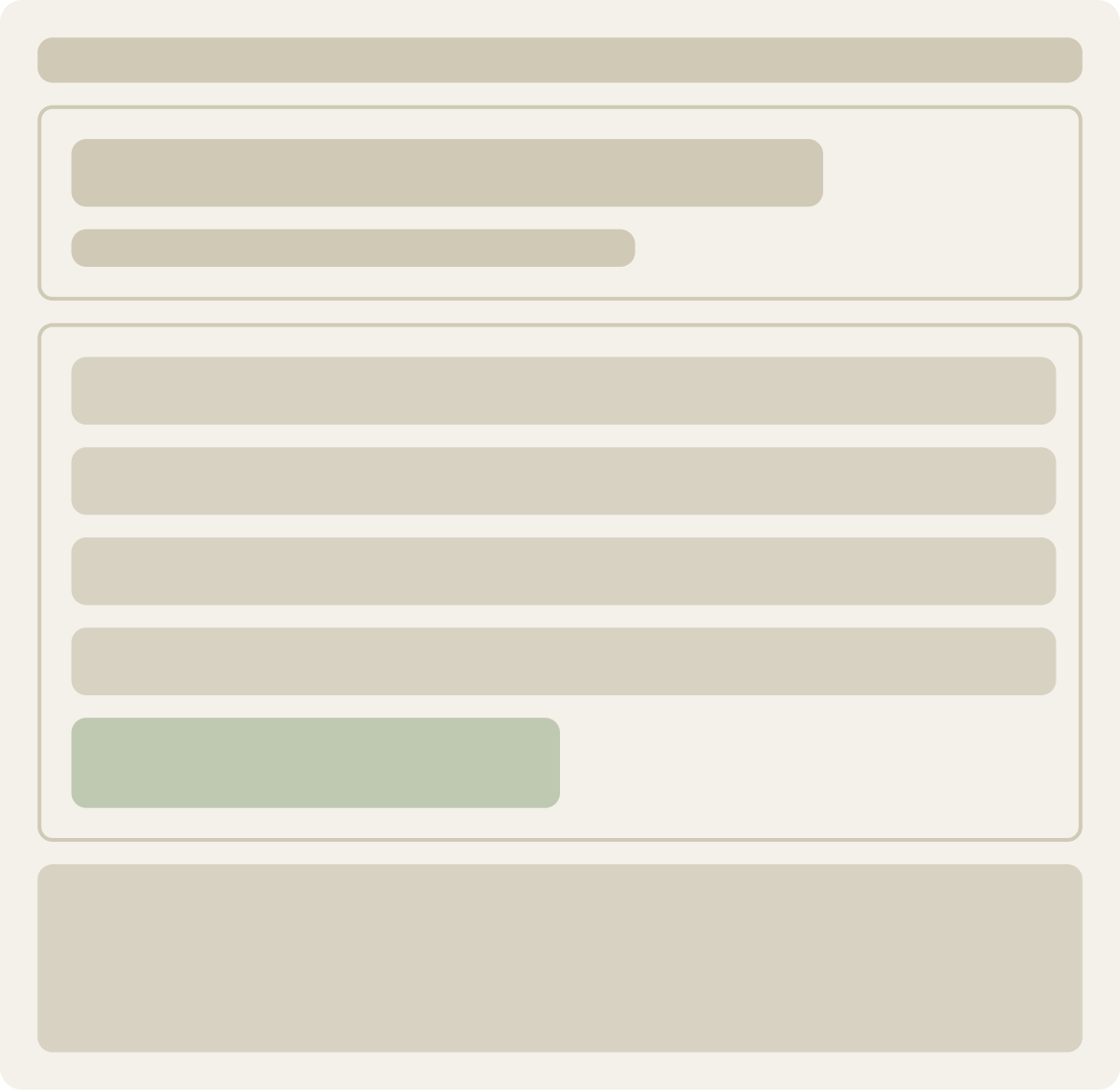
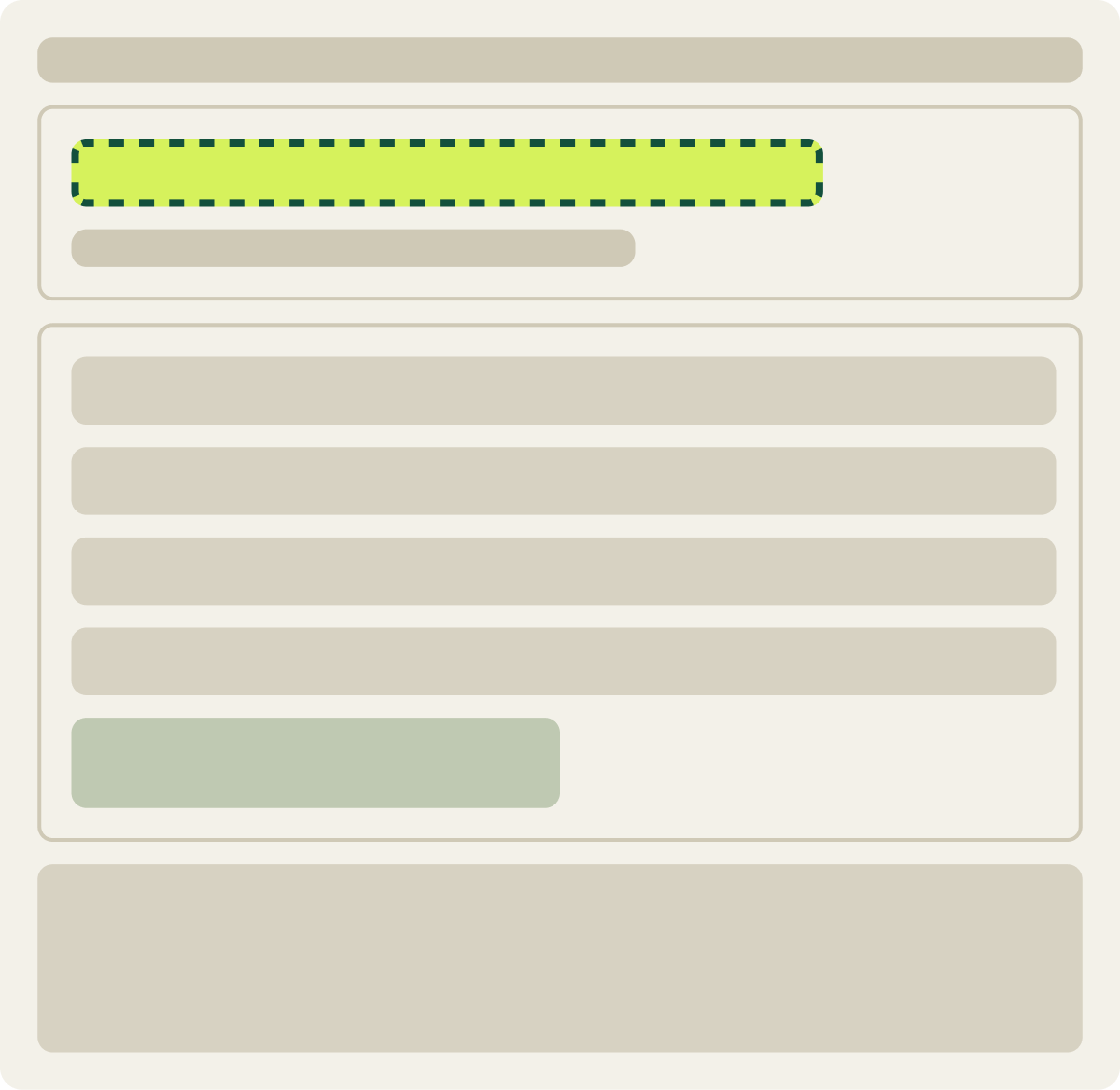
14 days · responsive · We rewrote the sign-up form headline to focus on freight costs.
+18.6% conversion
Read the full testLeads rose 18.6% over 14 days. That is a big number, but it did not clear the bar we set for a confident result. The test was not significant, which means we could not rule out chance.
We implemented the new headline anyway. The data pointed up, and nothing showed any sign of harm. That is a judgment call, and judgment calls are part of CRO too. Not every test ends in a clean win or a clean loss.
This is also why CRO is not only for stores. If a lift like this holds, a form that turns 18.6% more visitors into leads gives a sales team more people to talk to from the same ad budget. Our lead generation optimization work runs on the same test loop as our ecommerce work.
Only 60 of our 237 published tests won
Here is the part many CRO guides leave out: most tests do not win. Of the 237 tests in our published archive, 60 won. In the rest, visitors preferred the original, or the change did not move the numbers enough to call.
That is normal, and it is the point of testing. Each test that does not win is a change you did not implement on a guess. A change that goes live without a test can hurt results, and you may never find out why.
A big number is not a win on its own, either. On 1 site that took leads by phone, we tested the color of the call button.
Evidence · Landing page · Not significant
Does call button color change calls from a credit repair page?
21 days · responsive · We changed every call button on the page to orange or to red.



+24.1% conversion
Read the full testQualified calls rose 24.1% over 21 days. That looks like a clear win. It was not. The result was not significant, so the gap could still be chance. A number that size has to hold up before it earns the word “win.”
Phone leads show why. Calls come in much smaller numbers than page views or clicks, so a handful of extra calls in 1 week can swing the percentage a lot. More time and more traffic are what turn a big early number into one you can trust.
Still, a result like this is useful. When a tested element moves the numbers a lot, even short of a win, I treat that as a signal that it matters to visitors.
A big move is a signal, even when it is not a win.
After every test, I look at how much the tested element moved the number. A big move tells us that element matters to visitors, even if the result falls short of a win. Our next test on it usually takes 2 different directions, so we learn which way visitors want it to go.
A 10% conversion lift means 10% more sales from the same traffic
Why is conversion rate optimization important? Because it makes every other part of your marketing worth more.
Say your site gets 50,000 visits a month and converts at 2%. That is 1,000 orders or leads. Lift the rate 10%, to 2.2%, and you get 1,100 from the same 50,000 visits. That is 100 more every month with no extra ad spend, and the gain keeps paying every month after you implement it.
CRO earns its place for 3 more reasons:
- It lowers your cost per sale. If ad spend stays flat and conversions rise, each sale or lead costs less.
- It replaces opinions with evidence. A test settles debates about design and copy with what real visitors did.
- It teaches you about your customers. When we see a winning signal, we check whether it holds further up and down the funnel. It can even shape the wording and images in paid ads.
Benchmarks show how much room most sites have. HubSpot cites an average conversion rate of 1.7% across industries. In other words, most visitors leave without acting. Your own rate over time matters more than any average, but that gap is where CRO does its work.
HubSpot defines CRO as the process of increasing the percentage of visitors who complete a specific action, and cites a 1.7% average conversion rate across industries. In its own limited test of 10 blog posts, end-of-post banner calls to action brought in an average of just 6% of leads, while up to 93% of a post's leads came from a text link call to action.
Ben Cotton, March 2026 · blog.hubspot.com ↗
HubSpot's test is a lead gen result, not a store result. Our archive points the same way: lead forms are the largest group of our 237 published tests, at 74.
CRO does not bring more people to your site. It gets more of the people already there to act, and a test proves which change did it.
Start CRO at the 1 funnel step that loses the most visitors
Where do you start with conversion rate optimization? When I start with a new site, the first tests come from what we find in the research phase. We look at the conversion rate of each step in the funnel and go after the step with the highest drop-off. If no step stands out, we start with the landing pages that get the most traffic.
From there, we rank test ideas with PIE: Potential, Importance and Effort. Each idea gets a score from 1 to 10 on all 3, and we go after the highest scores first. That keeps the program focused on the changes most likely to pay off.
For the full process, from research to a test roadmap, read How to build a CRO strategy.
The 3 tests above sum up what CRO is in practice. A simpler menu lifted conversion 27.3% on a store. A cost headline lifted leads 18.6% and was implemented with no sign of harm. A call button lifted qualified calls 24.1% and still was not called a win. Research, test, and keep what the numbers support. That is CRO in marketing.
Frequently asked questions
What is CRO in marketing?
CRO in marketing stands for conversion rate optimization. It is the process of improving a website or app so more of your current visitors take the action you want, like buying, filling out a form or calling. Each change is proven with an A/B test before you keep it.
Why is conversion rate optimization important?
It gets more sales or leads from traffic you already pay for. If a site converts at 2% and a test lifts that rate 10%, to 2.2%, it earns 10% more orders or leads from the same visits, every month after the change goes live, with no extra ad spend.
Where do you start with conversion rate optimization?
Start with research. Look at the conversion rate of each step in your funnel and go after the step with the highest drop-off. If no step stands out, start with the landing pages that get the most traffic.
How do you improve conversion rate optimization?
Run a steady loop: research where visitors drop off, write a clear hypothesis, A/B test 1 change at a time, then implement winners and pause the rest. Rank your test ideas by Potential, Importance and Effort so the most promising ones go first.
Does CRO work for lead generation, or only ecommerce?
CRO works for lead generation too. Lead forms are the largest group in our published archive, at 74 of 237 tests. In 1 of them, a new headline lifted leads 18.6%. A conversion can be a sale, a form fill or a qualified phone call.
The evidence
The 3 tests this article leans on
Evidence · Homepage · Won
Does simpler homepage category navigation lift desktop sales?
+27.3% conversion, +25.3% revenue per visitor
Read the full testEvidence · Lead form · Not significant
+18.6% conversion
Read the full testEvidence · Landing page · Not significant
Does call button color change calls from a credit repair page?
+24.1% conversion
Read the full test